Persistent browser games ration play in five main ways: a store of action points, energy bars that refill quickly, a world clock that ticks on the hour, real-time timers on every build and march, and idle progress that runs while you are away. Each one decides how often you need to log in, and what being away costs you. Each one also hands the builder a different set of problems. Below are the rules the games themselves publish, then the trade-offs side by side.
| Model | Example | Documented rule | What a day asks of you |
|---|---|---|---|
| Action points | Pardus | 24 AP every 6 minutes, cap 5,000 | One or two visits; the cap fills in about 21 hours |
| Daily action points | Urban Dead (closed 2025) | 1 AP every 30 minutes, cap 50 | One visit; the cap filled in 25 hours |
| Energy and nerve | Torn | Energy bar refills fully every 5 hours | Several short visits, or energy goes to waste |
| Hourly tick | Planetarion | One tick per hour, rounds of about 7 weeks | Cover the night with allies |
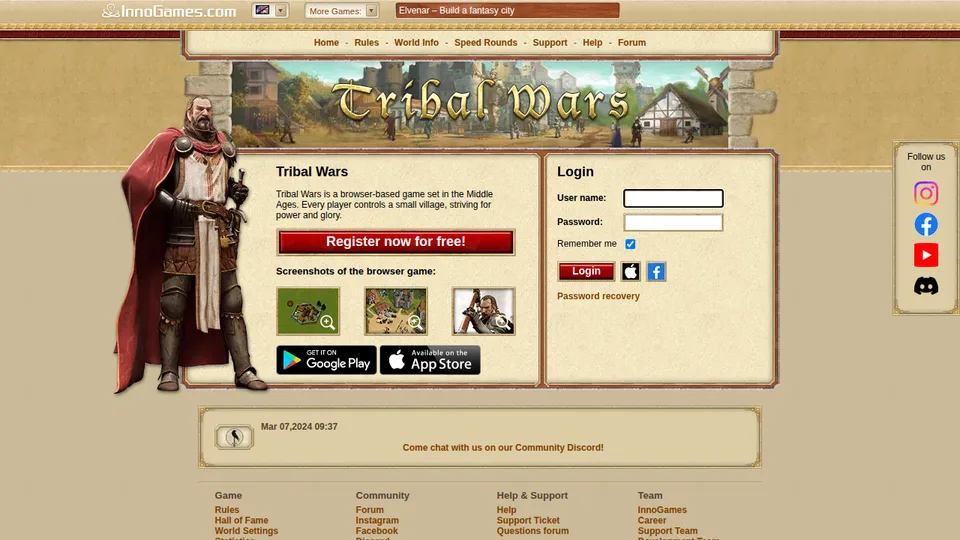
| Real-time timers | Travian Kingdoms, Tribal Wars | Builds and marches take real hours | Visits timed to arrivals; sitters for sleep |
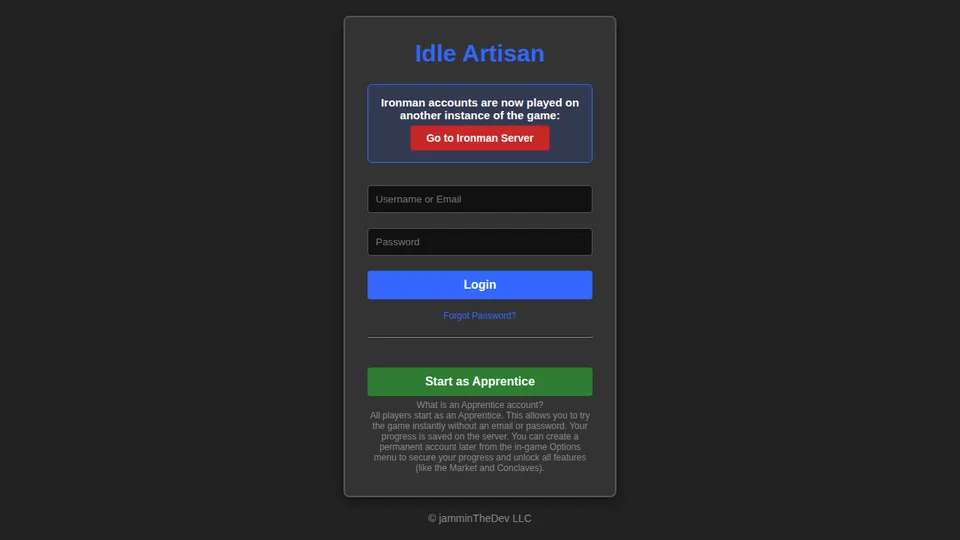
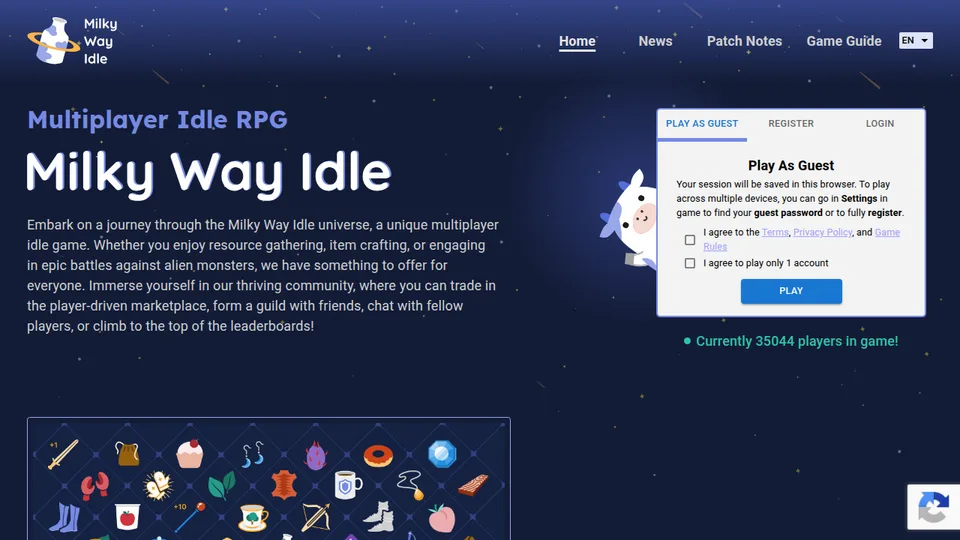
| Idle | Idle Artisan, Milky Way Idle | Work continues offline up to a cap | Return before the cap runs out |
Action points: Pardus and Urban Dead
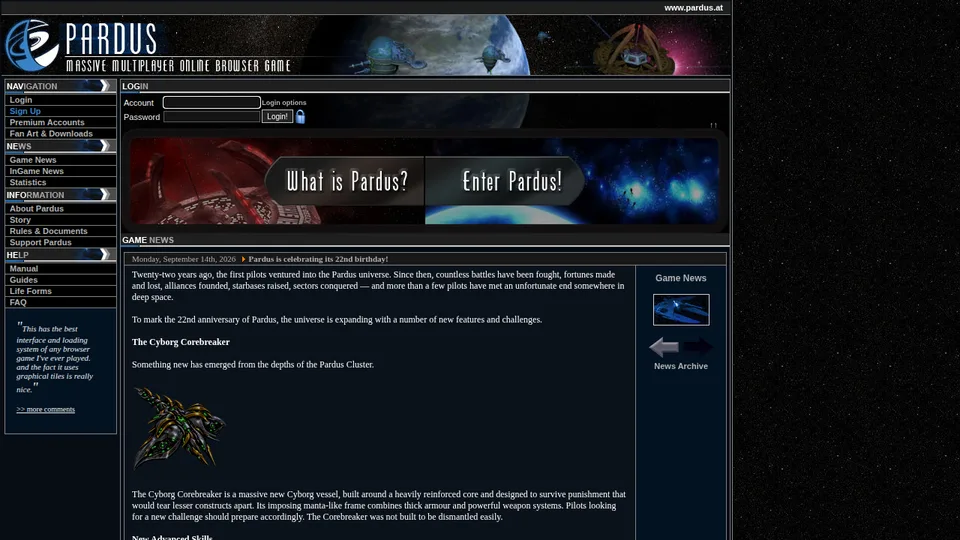
Pardus gives every pilot 24 AP every 6 minutes, 5,760 a day, stored up to 5,000. Moving, trading and fighting all cost AP. The store fills from empty in just under 21 hours, so one visit a day loses almost nothing. The manual says two five-minute logins are “theoretically enough” to advance at full efficiency.
Urban Dead, which ran from 2005 until it closed in March 2025, was stricter. Characters had 50 AP, refilled at one every half hour. Its FAQ explained the limit was there “to stop too much from happening overnight”: doubling it would let people take “a hundred APs’ worth of actions while other players were offline”.
For builders, Pardus states the motive outright: “Because there is no client, the online Pardus servers have to perform most calculations while you are playing. Therefore, gameplay has to be limited.” AP caps the number of requests a player can make, so load grows with actions rather than with time. Urban Dead added a second cap: 160 hits on the game script per day, “to stop the server from becoming overloaded and unresponsive, or from incurring bandwidth costs”.
AP also flattens the gap between heavy and light players. Pardus sells it on that: players “with limited time online” can be “just as competitive”. A newcomer gets the same 5,760 AP a day as a veteran. What differs is what each point buys.
The cost is multi-accounting, because every extra account is another full allowance. Pardus allows “exactly ONE account” and counts two accounts logging in from one computer as multi-accounting. Urban Dead let you run several characters if they never cooperated, and penalised suspicious pairs automatically; its wiki notes the IP hit limit doubled as an anti-zerg measure.
Money attaches carefully. Pardus premium adds 500 AP of storage and says “AP regeneration rate will not increase.” Urban Dead never sold AP at all. Donations above $5 lifted the daily hit limit for one character.
Energy and nerve: Torn
Torn splits its allowance in two. Energy pays for the gym and attacks; nerve pays for crimes. Torn’s live wiki blocks scripts, so we read archived copies. The energy page says the bar refills completely every five hours, at 5 energy every 15 minutes up to 100. Nerve returns at 1 every 5 minutes.
That five-hour fill shapes the day. A player who visits once a day spends one bar and wastes the rest; one who checks in every five hours spends almost five. The same rules give a light player a slow, steady character and pull a keen one back several times a day.
Two bars let a designer tune training and crime separately. For people who drift away, the energy page lists “inactivity refills”, earned for each week away “as an incentive for players to return”, up to a stock of 100 refills.
Torn attaches money to the bar itself, the opposite of Pardus. The wiki’s donator page lists a 150 energy bar and 5 energy every 10 minutes for donators. That is 720 energy a day against 480. Points, which come with each donator pack, buy one energy refill a day, and a nerve refill costs 25 points.
Hourly ticks: Planetarion
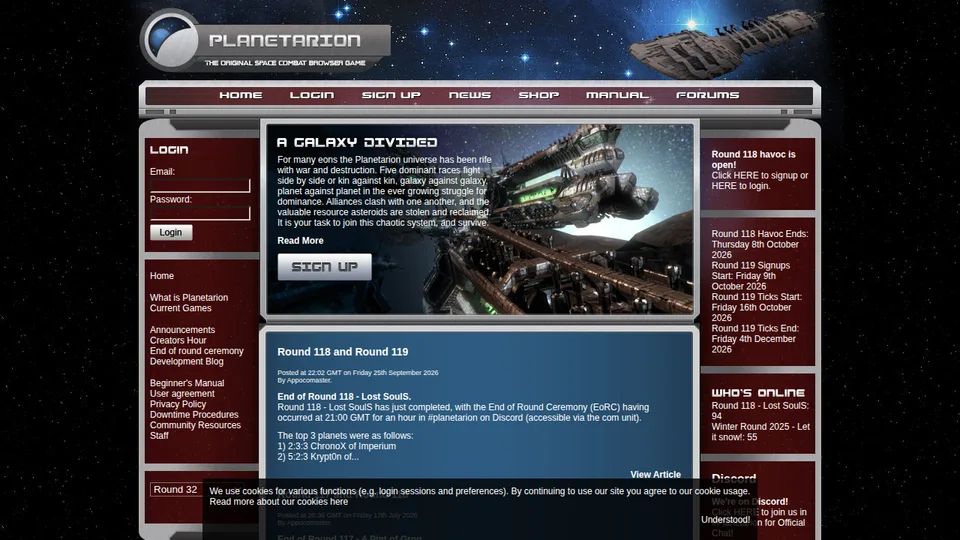
Planetarion’s universe ticks “once per hour, on the hour”. Resources arrive, ships finish and battles resolve whether you are there or not. Its own pitch spells out the cost: “Many a ruler has woken up to realize that their 9 hour nap or day at work also included 200,000 ships attacking their planet.” Rounds last about seven weeks.
The answer to sleep is other people. Planets sit in galaxies and alliances that send fleets to defend each other, and the beginner’s manual lists team play among the deciding factors. The game’s own description says many players spend more time planning with friends than issuing fleet orders.
For builders, a tick concentrates work. Every planet updates on the hour, and nothing needs processing between ticks except orders. Late joiners get two kinds of help. Protection lasts 24 ticks of each planet’s life, not of the round. The paid upgrade bonus is a base amount plus a fixed amount per tick elapsed, so someone who upgrades late receives more resources and asteroids.
The paid upgrade is one credit per account “for the whole (or remainder) of the current round”, and it includes email notifications about attacks launched at you. It sells a fix for the tick model’s own problem. Planetarion’s rules close all planets involved in multiple accounts or account sharing, and close any willing “farm” that feeds another player. Its multihunters run a formal exception system for households on one IP address.
Real-time timers: Travian Kingdoms and Tribal Wars
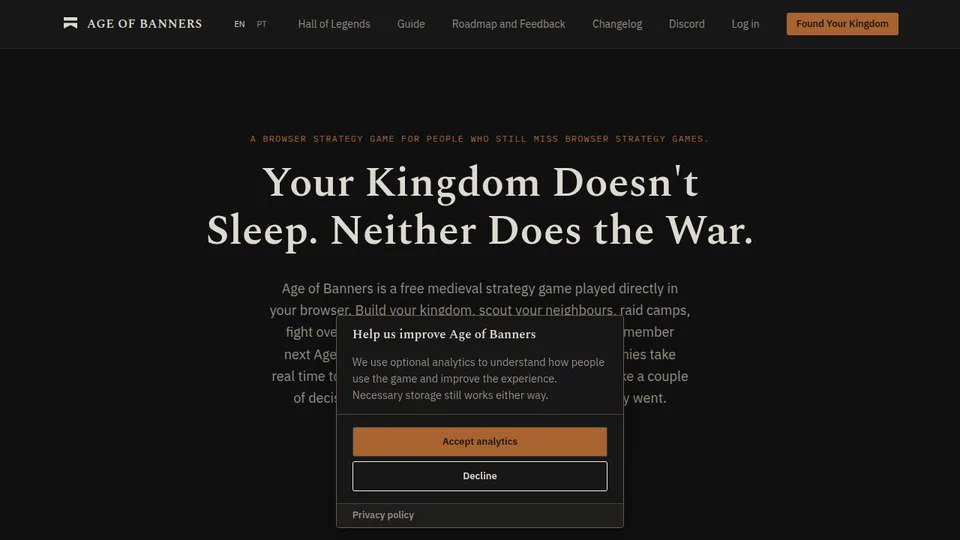
In real-time strategy every action has a clock. A building takes hours, and an attack lands when its travel time runs out. Age of Banners describes the rhythm well: marches take minutes or hours, so “a march you start today may still matter when you return tomorrow.”
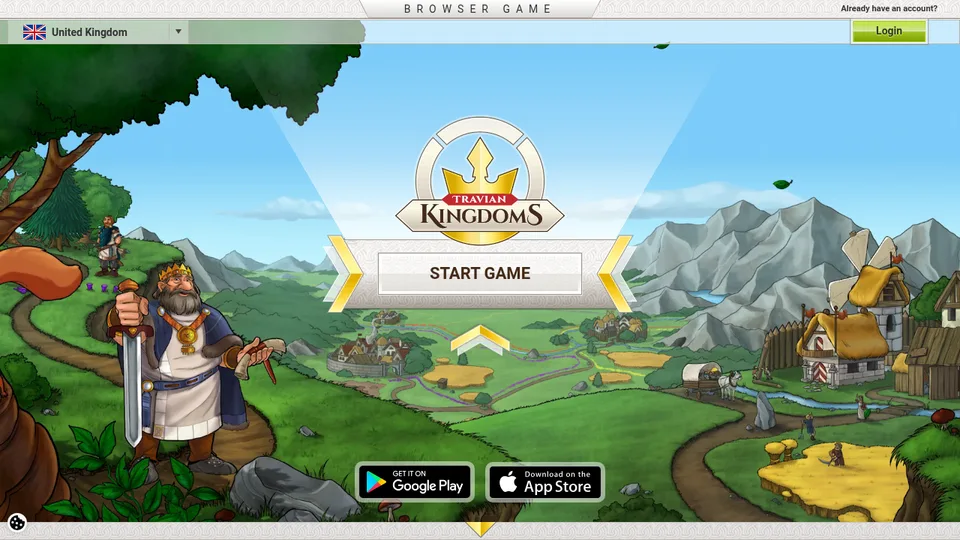
The player’s day bends around arrival times, including ones in the middle of the night. Travian Kingdoms’ help centre opens its sitter page with “Being active is key”, and lets up to two sitters and two duals share an avatar. Its rules say duals exist “to achieve a longer period of sustained online activity”. Tribal Wars has the same account sitting tool.
For builders, real time means an event queue resolved to the millisecond. Tribal Wars’ world settings insert a 100 millisecond gap between attacks sent too close together. The pressure to stay online invites account sharing, so the rules pair a ban on multis with a legal outlet. Travian Kingdoms allows “only one account”, may delete multis on speed servers without a warning, and offers sitters instead. Late joiners get beginner’s protection of 7 days on a normal world, and new worlds open on a schedule.
Money attaches to time. Travian Kingdoms’ Finish Immediately completes current builds for 1 or 2 Gold, and extra building queue slots last the round. Tribal Wars’ premium halves a build’s remaining time for 10 premium points, and its Account Manager automates building, recruiting and trade. Age of Banners shows the other option: no purchase of “troops, resources, faster marches, or combat power.”
Idle and offline progress
In an idle game you set a task and leave. The number that shapes your day is the offline cap. Idle Artisan’s guide starts you with one hour of offline time and adds an hour for each level of the Scholar’s Study. Milky Way Idle promises “10+ hours (or days!)”. Epic Idle Quest 2’s FAQ says you can close the tab mid-run and come back “five hours later” to a summary.
Load depends on where the simulation runs. Idle Artisan says “All tick actions are processed server-side”, on a two-second tick. Epic Idle Quest 2 keeps fighting on its servers, and only “a server crash would end a run early”. The offline cap is also a cap on how much work the server does for people who are not there.
Catch-up is hardest here, because progress tracks hours elapsed and nobody can play harder than the clock. Epic Idle Quest 2 runs seasons on a fresh realm and calls each one “a great on-boarding window” where new players can catch up. Alts are a market problem rather than an allowance problem. Idle Artisan’s guest accounts cannot use the market or guilds, a restriction it says exists “to prevent abuse”.
Money attaches to the cap. Idle Artisan’s Inner Circle membership doubles offline time.
The trade-offs side by side
| Model | Server load | Late joiners | Multi-account pressure | Where money attaches |
|---|---|---|---|---|
| Action points | Grows with actions; the cap bounds it | Same daily allowance for all | High: each alt is a second allowance | Storage (Pardus), not rate |
| Energy bars | As AP, plus refills | Same bar; gap is in stats | High | Bar size, rate, refills (Torn) |
| Hourly tick | All planets on the hour | Per-planet protection, scaled bonus | Feeder accounts | Round upgrade, attack alerts |
| Real-time | Timed events to the millisecond | Protection, new worlds | Covering sleep | Time skips, queues, automation |
| Idle | Continuous, bounded by the cap | Hardest; seasons help | Alts feeding the market | Offline capacity |
Matching a model to your day
If you can visit once a day, pick a game whose store takes about a day to fill, as Pardus’ does. Our energy system tag lists the candidates; the fill time is the number to check. If you have short breaks through the day, a Torn-style energy bar rewards them. If you cannot be online at night, choose turn-based or real-time war games only with a team that covers the hours you sleep. If you want to set a task and walk away, our idle games fit, provided the offline cap is longer than your working day.
If you are building one, pick the model before the content, and publish its numbers. Regeneration rate, cap and tick length tell a player more about your game than a feature list does.