Browser games shut down for five main reasons, and most closures involve more than one: the money stops covering the bill, a law makes running the site too risky, a platform the game depends on goes away, the one person running it runs out of time, or the data is lost. We know this because the people who closed them said so. This post groups the causes using shutdown notices and history pages written by the games themselves, with Wikipedia where the game’s own page is gone. It ends with what a builder can do about each cause. Several of the games below came back, which says something too.
Money: when the bill outgrows the game
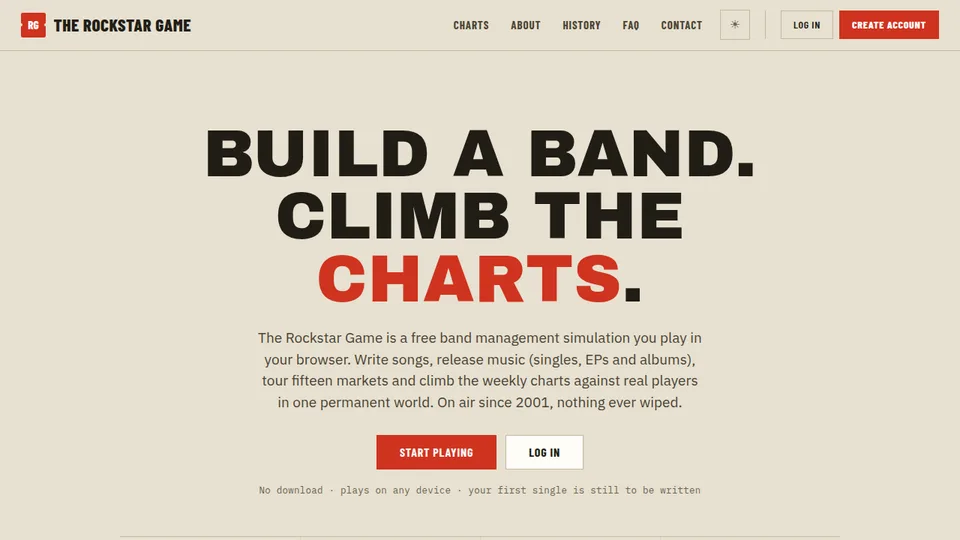
The Rockstar Game is the clearest case, because its developer wrote the numbers down. Its history page says hosting started at £50 a month in 2001, and “within two years the costs had multiplied sixteen times over.” In January 2003 the game went pay-to-play at £1.50 a month. Players could pay by PayPal, by cheque or through a premium-rate phone line, but “Most of the players were kids without bank cards.” The page’s verdict: “It wasn’t enough.” The game quietly stopped in mid-2003. It came back free in 2005, paid for by pop-up adverts.
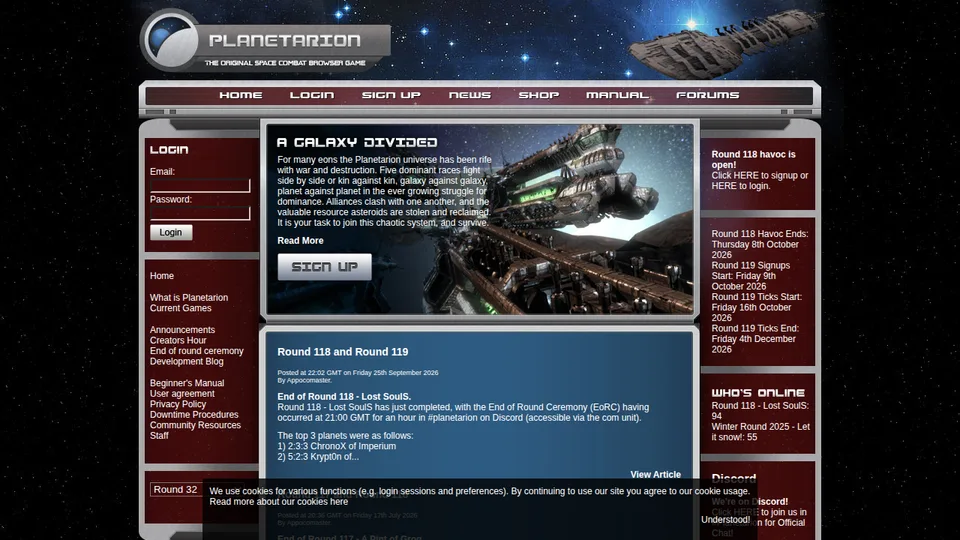
Planetarion hit the same wall earlier. It launched free in 2000 on advertising. When the dotcom crash cut that revenue, Fifth Season AS made it pay-to-play from Round 5, and the user base fell sharply (Wikipedia). Later owners nearly ended it: on 16 January 2009 OMAC, which had bought Planetarion’s owner Jolt, announced it would discontinue Planetarion after round 30. On 6 February 2009 Renegade Games confirmed it had bought the rights and would keep it running.
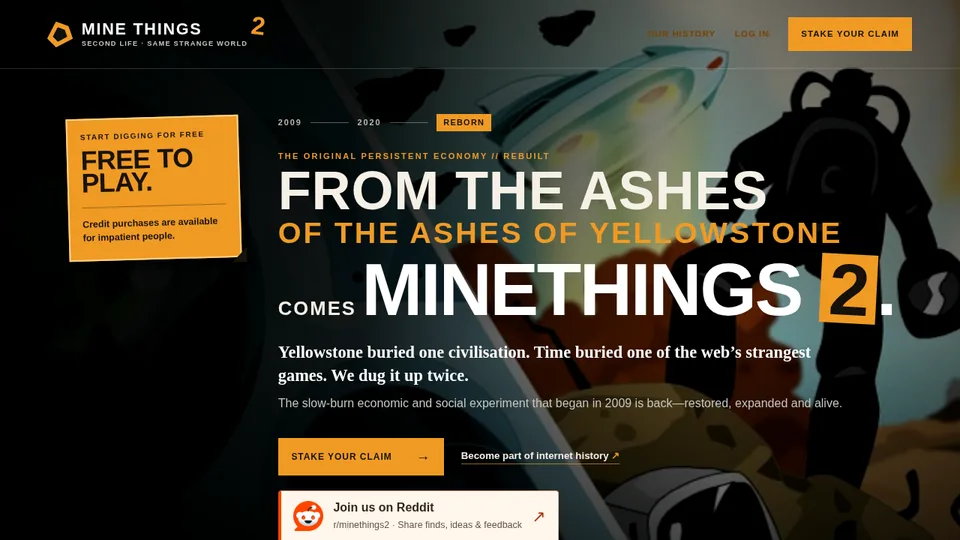
MineThings, a mining and trading game first listed in 2009, ran into the bill too. According to the history page of its successor, MineThings 2, the original owner offered in November 2019 to hand over the keys to anyone who would take on the server bill. When that failed, “the monthly infrastructure bill was difficult to justify.” MineThings closed in March 2020.
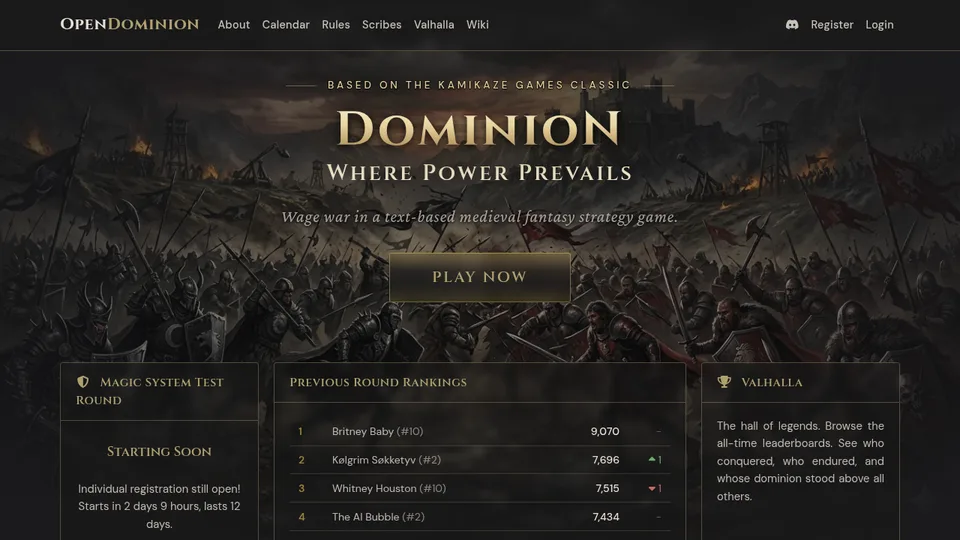
Dominion, the game OpenDominion later rebuilt, shows the other side of the ledger. Its developer’s farewell, kept as a transcript, thanks players who bought ad-free or premium accounts: “without you this game would have been shut down years ago.”
Law: when compliance looks bigger than the game
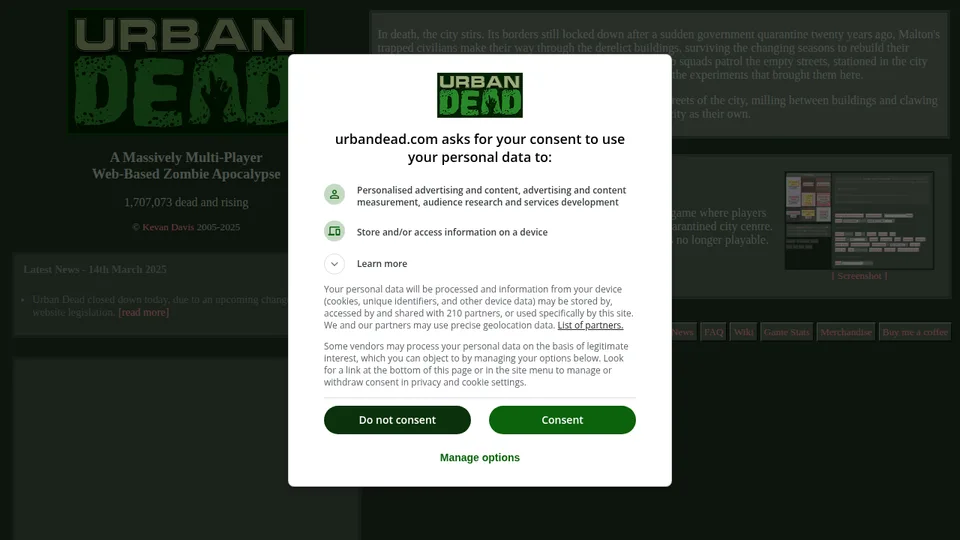
Urban Dead ran from July 2005 to March 2025. On 3 March 2025, Kevan Davis announced that it would close on 14 March “due to an upcoming change in UK website legislation.” The Online Safety Act, he wrote, applied “to all social and gaming websites where users interact, and especially those without strong age restrictions. With the possibility of heavy corporate-sized fines even for solo web projects like this one, I’ve reluctantly concluded that it doesn’t look feasible for Urban Dead to be able to continue operating.”
The Act passed on 26 October 2023. It sets fines of up to £18 million or 10% of annual turnover, whichever is higher, for platforms that fail its duty of care (Wikipedia). Urban Dead was not alone. A cycling forum, London Fixed Gear and Single Speed, and Microcosm, which hosted forums for non-profit communities, also announced closures citing the cost of compliance.
Davis gave eleven days’ notice and offered refunds of recent IP unlock donations, “since this shutdown was an unexpected one”. The homepage still stands as a record. Wikipedia records that a former player released a successor, Worldwide Dead, on 20 February 2026.
Platform changes: when the ground moves
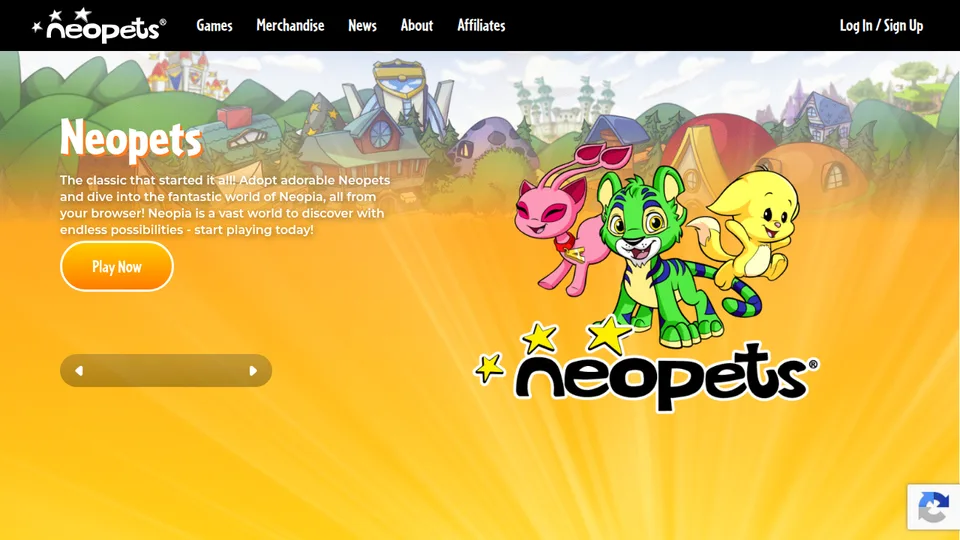
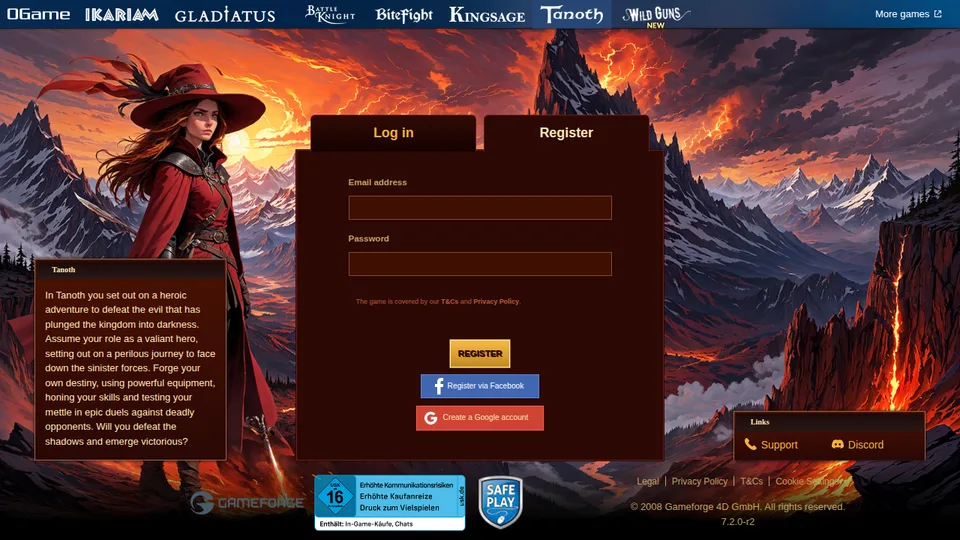
Flash is the biggest example. Adobe announced on 25 July 2017 that support would end, discontinued Flash Player on 31 December 2020, and from 12 January 2021 the player refused to run Flash content (Wikipedia). Zynga closed the original FarmVille on Facebook that same 31 December, because Facebook would no longer support Flash games (Wikipedia). Gameforge’s Tanoth, a Flash RPG from 2008, went offline with it and returned in HTML5 as an open beta in 2024 (MMOs.com). Neopets converted its most popular Flash features to HTML5, and some parts of the site stopped working when support ended.
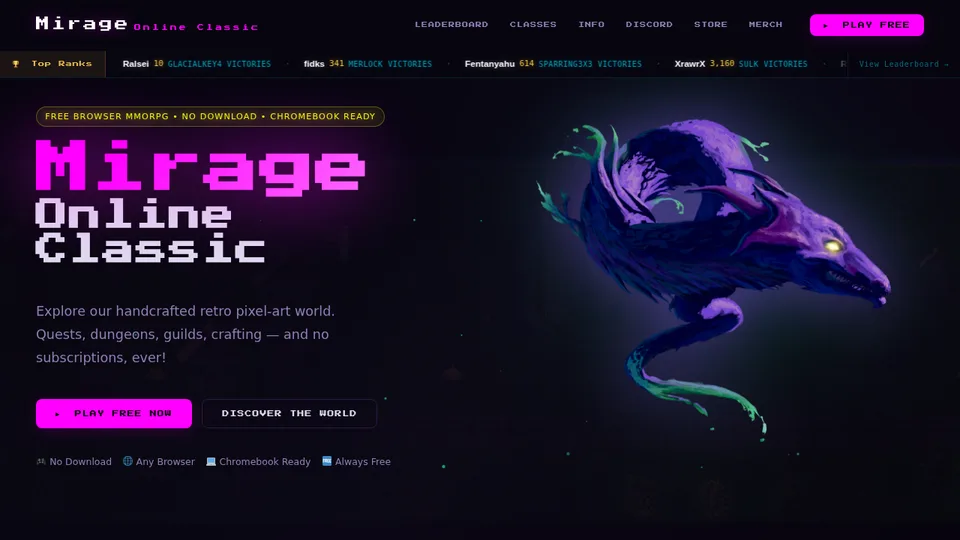
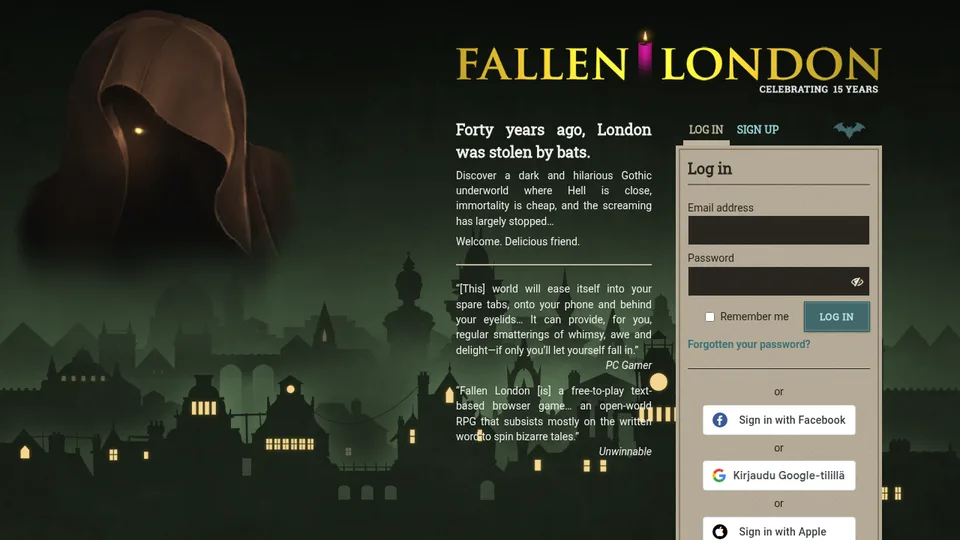
Smaller platforms vanish too. Neopets Mobile, a T-Mobile service, closed on 30 June 2009 and left the game’s Lutari Island unreachable. Facebook’s own app markup stopped working on 1 June 2012 (Wikipedia). Mirage Online Classic’s history mentions testing the game in “Facebook’s now cancelled embedded game section”. Fallen London’s iOS and Android apps, released in 2016, were retired in 2018; the browser game carried on.
Infrastructure counts as a platform. For Dominion, “The last straw” was learning that the game had to move to a new server before the next round “since the datacenter in which it is present is shutting down.”
Burnout: when one person runs out
Dominion’s farewell is the most honest account of this we have read. It launched over 12 years before the end and ran through 74 rounds. Its developer, Ross, wrote that “my engagement with Dominion has fallen over that span and I simply don’t have the time or energy to continue to work on it.” He had put “hundreds of more hours” into a rewrite he could not finish, and the player count had “stagnated below the 500 player mark”. Asked whether someone else could run it, he answered: “I don’t think I could bear just simply giving it to anyone else.”
MineThings’ history records the same strain: after the failed handover, “support had become exhausting.” The Rockstar Game stopped in 2003 “somewhere between a house move and a pile of payment admin”. The site said “coming back soon” and stayed down until 2005.
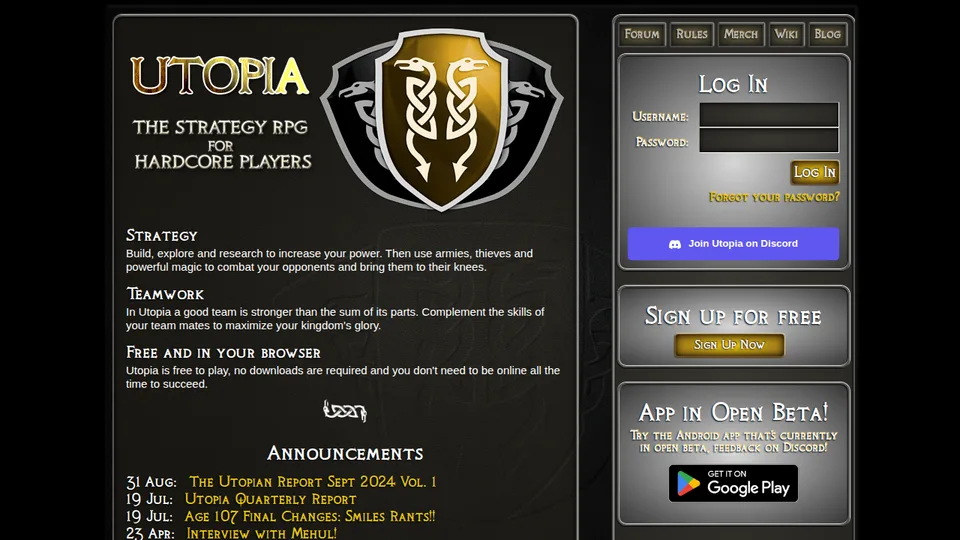
Sometimes burnout means stagnation instead of closure. Utopia, launched in 1998, was sold after its creator “gradually lost interest”. A later owner let it stagnate because its developers had full-time jobs at another company. Long-time players bought it in 2017 to revive it (Wikipedia). Mirage Online Classic’s team writes that during its beta “the time commitment to fixing things were overwhelming”, and the game was shut for several months.
Data loss and attacks: when the world disappears
On 26 June 2026, The Rockstar Game’s developer opened the old MySQL server for remote work “and didn’t lock it down to my own address.” Within an hour or two, “somebody had got in and deleted every database. Twenty-five years of world history, gone. There were no backups.” The game was rebuilt and relaunched in July 2026 with a new world.
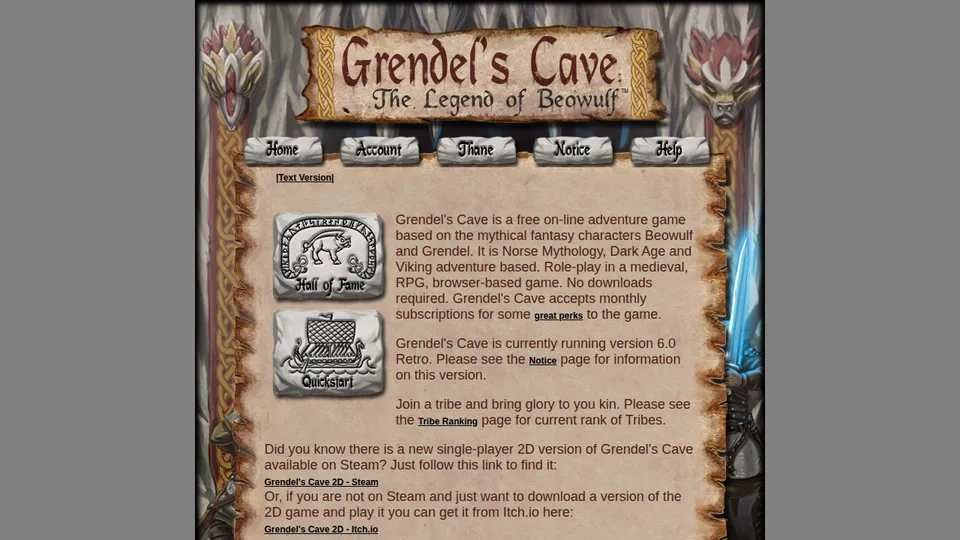
Grendel’s Cave lost its first web version to abuse. Version 1.0 ran from August 1998 to July 2001, and “hacking and cheats plagued this version during the last year of its run”, which ended it (Wikipedia). When new owners brought it back in 2005, their programmers had found the original source code “on an old database server in an office closet.” Utopia’s owners rewrote the game from scratch after a 2009 denial-of-service attack.
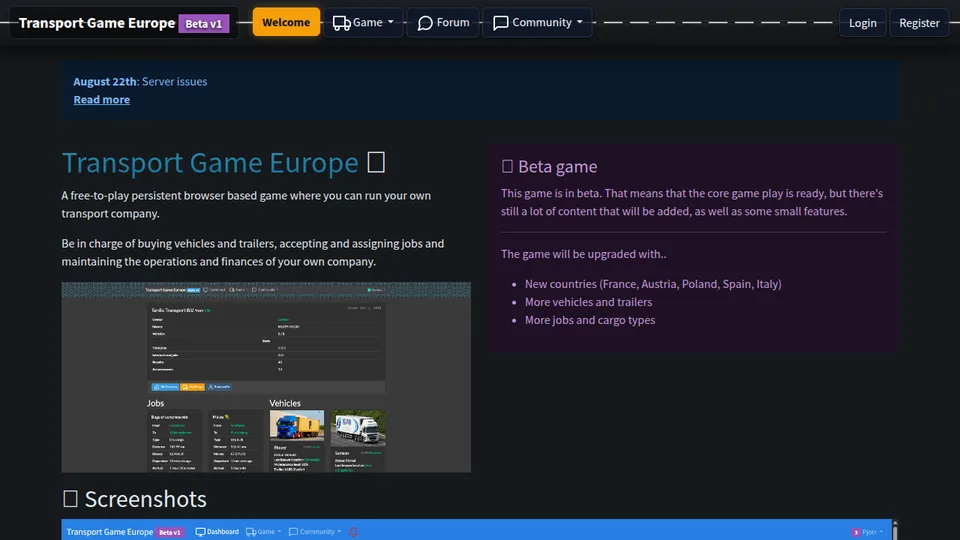
Hosting can fail without anyone attacking. On 22 August 2026 the developer of Transport Game Europe posted that the game had “big server issues with Oracle” and that its data, though probably intact, could not be reached. He moved the game to another host, and players’ old accounts were gone “for now”.
Data also decides whether a closed game can return. MineThings’ code and database snapshots survived the failed 2019 to 2020 handover, and they were the starting point for MineThings 2, which reopened in August 2026.
What a builder can do about each cause
| Cause | Early warning | What helps |
|---|---|---|
| Money | Hosting grows faster than income | Know the monthly bill; keep income that most players can reach |
| Law | Chat and messages you cannot moderate | Read regulators’ guidance for small services early |
| Platform | Core play depends on one company’s plugin or store | Plain HTML and your own domain and accounts |
| Burnout | One person holds every job | Hand out roles; write the setup down |
| Data loss | No restore ever tested | Private database, off-site backups, test restores |
Money. Work out the monthly cost and what pays it before you need to. The Rockstar Game’s 2003 price was small, but most of its players had no way to pay it. Optional extras that players can actually buy beat a wall that shuts most of them out. We compared models in how browser games make money without driving players away.
Law. Find out which rules apply to the features you offer, in the countries your players live in. The duties that worried Kevan Davis attach to users interacting with each other, so chat, private messages and forums are where to look first. Regulators publish guidance for small services; read it while you still have months rather than days. We are not lawyers, and this is not legal advice.
Platforms. Use other companies’ platforms as doors, not as the building. A Facebook app, a Discord server or an app store listing can bring players, but the game, the accounts and a way to email players should live on your own domain. Games built on ordinary web pages survived Flash.
Burnout. Give defined jobs to trusted players before you are tired. OpenDominion hands balance decisions to a Gameplay Committee of player volunteers. Keep dependencies current, so that a successor is not facing the ageing stack that defeated MineThings’ first rescue. Maintenance mode is a choice too. The Rockstar Game ran for two decades with no new features and players still came.
Data loss. Keep the database off the public internet. Take backups somewhere else on a schedule, and restore one now and then to prove it works. Keep a copy of the code and data that someone else could run, even if you never hand it over.
If you do close, say why, as Urban Dead and Dominion did. Give notice, freeze the wiki rather than deleting it, and leave the domain up. We wrote more about handovers and endings in what keeps a small browser game running for years. For players, the checks in how to tell if a browser game is dead catch many of these warning signs before a notice appears.